






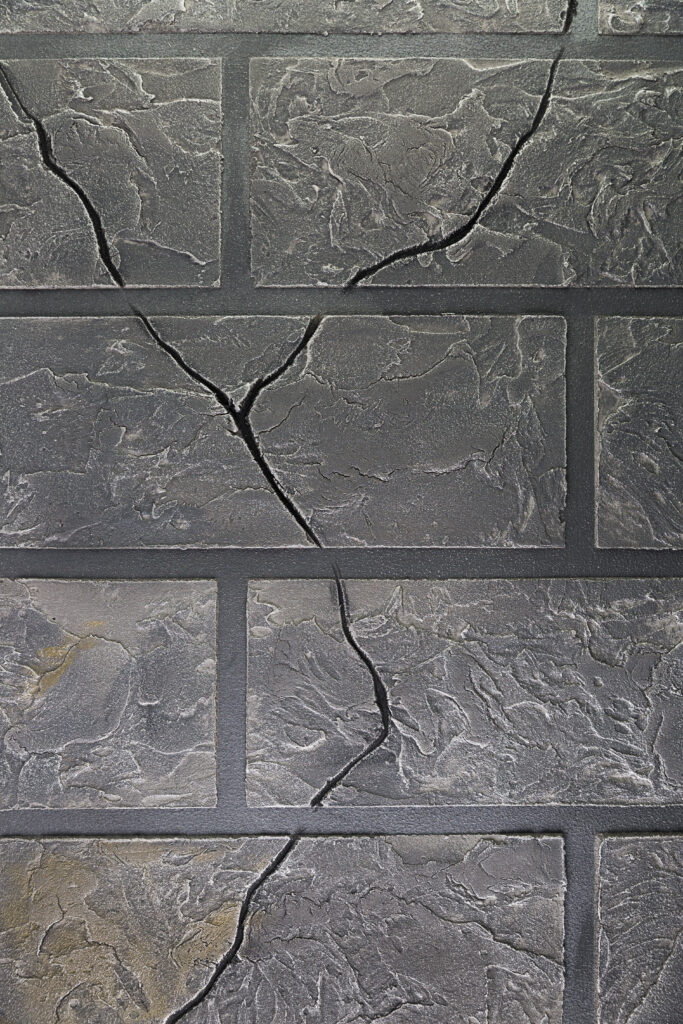
Homeowners rarely think about what sits below their tiles. Fair enough, because nobody takes those base layers seriously. But a propersand-and-cement floor screed is really what gives tiles strength and durability. Without a solid, flat surface beneath it, even high-end porcelain will crack, shift, or pop under pressure. It’s a bit like painting over a dodgy wall. The surface appears fine for a while, but the cracks quickly reappear.
Everything sits on the subfloor. There are dips, bumps, and leftover glue from the previous flooring.
Lay tiles over a surface like that, and they won’t sit flush with the adhesive. Air pockets form underneath. Those pockets are basically time bombs waiting for something heavy to land on them. A dropped pot. A piece of furniture was dragged across the floor. That’s all it takes.
Here’s what may sit underneath when a cracked tile is pulled up:
Occasionally, individuals inquire about the importance of establishing the base before removing any tile from the box. Reasonable question. But that prep stage is where the real work gets done.
A floor can look flat enough to your eye and still have dips and high points hiding in plain sight. Even a few millimetres off will mean the tiles aren’t supported evenly. That uneven load builds over time, especially in kitchens and hallways where foot traffic is constant.
Ensuring the base is properly aligned will allow each tile to sit in full contact. There should be no gaps, no rocking, and nothing that could potentially give way. It’s tedious, unglamorous work. But it’s the gap between a floor that holds up for years and one that starts cracking inside six months.
This one surprises many people. Moisture trapped beneath tiles can cause far more damage than most homeowners expect, especially in bathrooms and laundries, where water is part of daily life.
When the screed mix isn’t right, or the waterproofing is skipped or done poorly, moisture accumulates beneath the surface with nowhere to go. From there, the situation deteriorates.
What worsens this condition is that you rarely notice until the damage is well underway. By that stage, what should have been straightforward prep work has turned into a complete tear-out and redo.
Renovations aren’t cheap. That’s why people look for ways to trim the budget. However, neglecting the foundational preparation is a shortcut that frequently leads to unintended consequences.
Someone pays a tiler to lay tiles directly over a rough surface, then calls back twelve months later because the tiles are cracking or coming loose. They end up paying for the same job twice over. It didn’t need to happen.
Spending a bit more time on the base upfront protects the tiles above it. You avoid the stress, the mess, and the cost of ripping it all out later. This is an instance where investing a little more effort today can significantly reduce future costs.
If you’ve got a tiling project coming up, or your current floor is showing signs of trouble, these are worth checking before anything else.
If anything doesn’t feel right, it’s worth having someone take a proper look sooner rather than later.
Cracked tiles are usually more than just a tile issue. Cracks indicate a problem that occurred beneath the surface. It could be due to poor levelling, skipped preparations, or moisture sitting where it shouldn’t be. The base is where things hold together or quietly fall apart.
A quality sand-and-cement floor screed, done properly from the start, keeps tiles locked in, level, and lasting as they should. If your floors are already showing signs of trouble, don’t sit on them. Get the base sorted first, and everything above it will take care of itself.
When you hire Honest Tiling for your next tiling and waterproofing job, you can be assured that you will be getting the very best finish completed to an industry standard. Why? Because we have access to reliable suppliers who stock industry-grade waterproofing membranes that can expand and compress without losing their properties, helping your buildings stay dry in all weather conditions.
This is all done by a hardworking and experienced family team that will provide the result quickly and without any hidden costs or budget blowouts. We work dedicatedly to consistently achieve premium quality and high finish. Connect with our experts for a free estimate.
Copyright © 2025 Honest Tiling. All Rights Reserved.. Terms & Conditions